
Farming Alongside Nature
Here, farmers have an inherent passion for farming, following the seasonal patterns of pasture growth. They are experts at growing grass, a natural food source for cows.
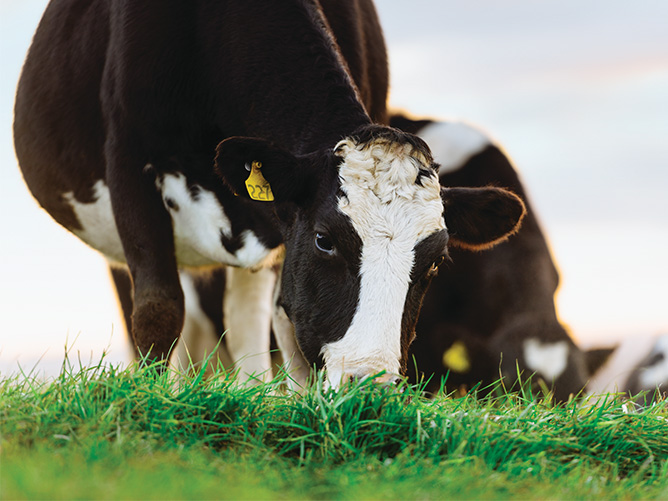
New Zealand is one of the few countries in the world where cows can graze on grass year-round. They spend most of their time outside grazing on lush green pastures, making the most of fresh air and natural sunlight – producing grass-fed milk that’s transformed into products used by professionals around the world.
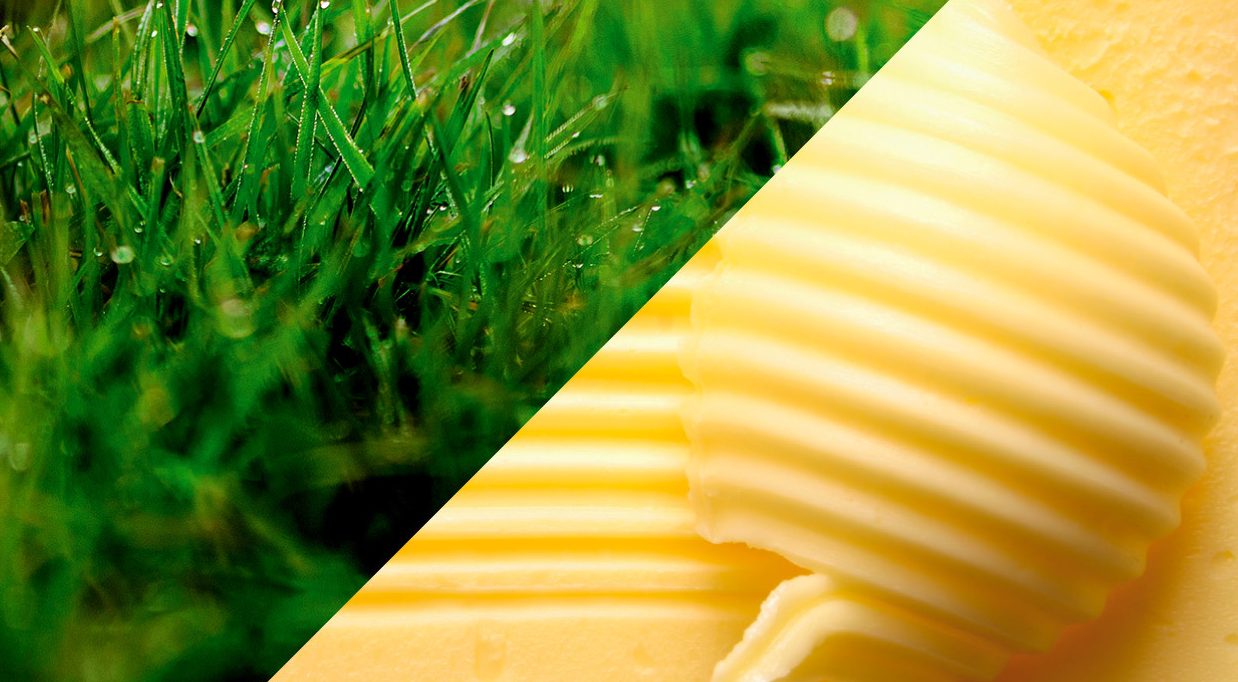
Green Grass makes Golden Butter
Milk from grass-fed cows contains higher levels of beta-carotene as they graze outside on pasture year-round, naturally giving our butter its distinctive golden hue - the grass-fed difference you can see.
We are proud our New Zealand milk exceeds the New Zealand Dairy Grass-Fed Standard
This government-backed framework enhances transparency and consumer trust and is supported by the FernMark Grass-Fed Assured Logo - a mark of authenticity that certifies products are made with New Zealand grass-fed milk.
Care from Pasture to Plate
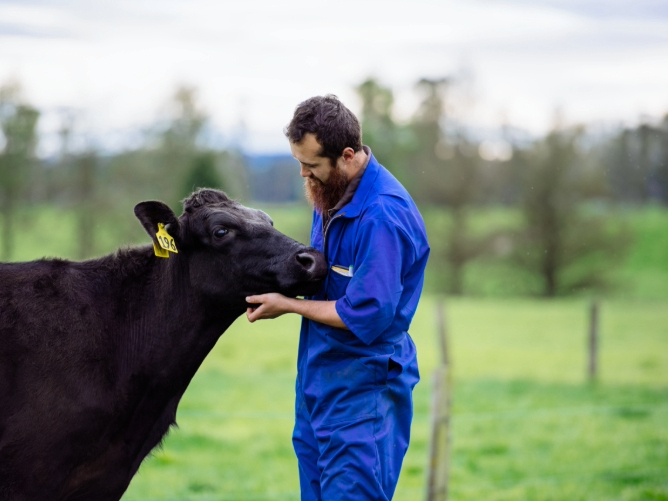
Care is taken at every step along the way from product development, manufacturing and into the final dishes you produce – but it all starts on-farm . Cows are at the heart of our farms, they are treated with care and respect throughout their lives.
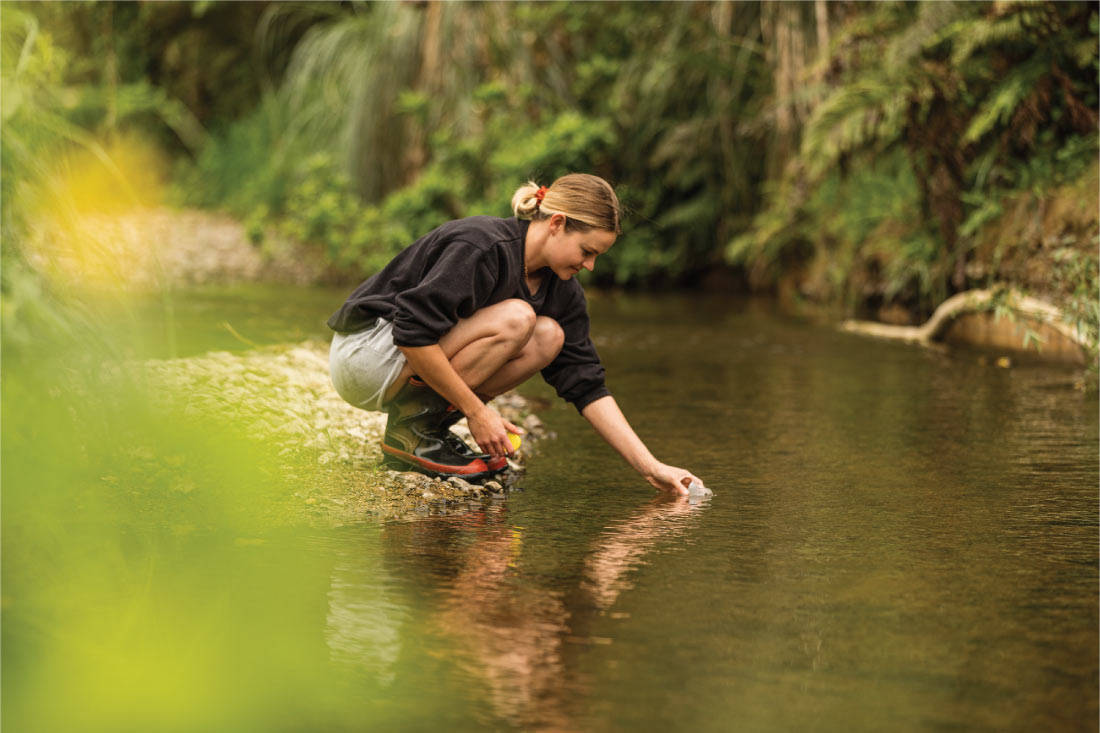
Helping to Care for the Land to Protect it for the Future
New Zealand farmers are amongst the world's most emissions efficient dairy producers**, but there is more work to do. We are working towards emissions reduction targets for 2030 with an ambition to be net zero by 2050.
More on sustainability
*Grass-fed means cows mainly grazing on grass and crops in paddocks where they roam. Some farmers may include supplementary feed (from New Zealand and/or imported sources) to help support cows’ nutrition. Visit Fonterra.com/grass-fed for more information.
